Understanding Home Addition Regulations in Nassau County


Understanding Home Addition Regulations in Nassau County
Embarking on a home addition project in Nassau County can be an exciting venture, but it's crucial to understand the regulations involved. Local ordinances and zoning laws can significantly impact your plans, so being informed is the first step to ensuring a smooth process.
Before you start construction, you'll need to familiarize yourself with Nassau County's zoning codes. These regulations determine what types of structures can be built in specific areas, including height restrictions, setback requirements, and more. Understanding these codes will help you design an addition that complies with local laws.
Obtaining the Necessary Permits
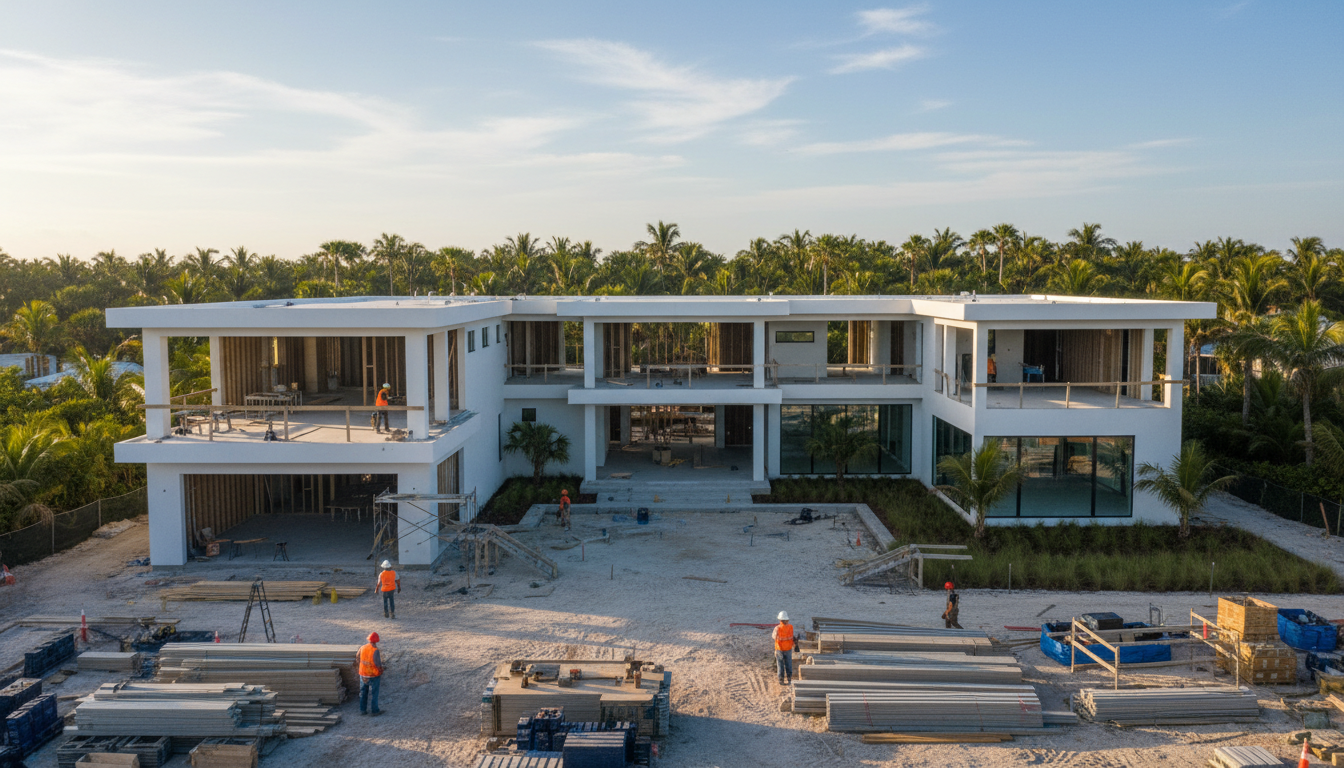
Once you've ensured your design complies with zoning codes, the next step is obtaining the necessary permits. In Nassau County, building permits are required for most home additions. These permits ensure that your project meets safety standards and adheres to local building codes.
To apply for a building permit, you'll need to submit detailed plans of your proposed addition, including dimensions and materials. It's also essential to provide any other documentation required by the local authorities. Once your application is reviewed and approved, you can proceed with the construction.

Working with Professionals
Hiring professionals can significantly ease the process of navigating home addition regulations. Architects and contractors familiar with Nassau County's rules can ensure your project is compliant from the start. They'll also handle the permit application process, saving you time and reducing stress.
When choosing professionals, look for those with experience in local projects. Their knowledge of the area and connections with local authorities can be invaluable, ensuring a smoother process and potentially faster approval times.

Understanding Environmental Considerations
Nassau County places importance on environmental factors, which may affect your home addition. Issues such as water drainage, tree preservation, and green space requirements need to be considered. Ignoring these aspects can lead to delays or additional costs.
Consult with an environmental specialist if your project impacts natural resources. They can provide guidance on mitigating any potential environmental impact, ensuring your project remains compliant with county regulations.
Neighborhood Impact and Community Guidelines
It's essential to consider the impact of your home addition on your neighbors and community. Nassau County encourages homeowners to maintain the aesthetic and character of neighborhoods. This means your addition should harmonize with existing structures.
Engage with your neighbors early in the process to address any concerns they might have. This proactive approach can prevent disputes and foster a supportive community environment.
Final Inspections and Compliance
After construction is complete, a final inspection will be conducted to ensure your addition meets all regulatory requirements. This step is crucial for obtaining a certificate of occupancy, which legally allows you to use your new space.
Prepare for this inspection by ensuring all work is completed to the standards outlined in your permit. Address any issues prior to the inspection to avoid delays in approval.
Understanding and navigating home addition regulations in Nassau County can seem daunting, but with the right knowledge and professional assistance, it can be a manageable process. By adhering to local rules and considering community impact, you'll be well on your way to a successful home addition project.