How to Estimate Paver Installation Costs for Your Long Island Home


Understanding the Basics of Paver Installation Costs
When planning a paver installation for your Long Island home, it’s essential to understand the various factors influencing the overall cost. Paver installations not only enhance the aesthetic appeal of your property but also add value. However, budgeting for this project requires careful consideration of several components.
The primary factors affecting the cost include the type of pavers, the area to be covered, and the complexity of the design. Let's delve deeper into these elements to help you estimate the costs accurately.
Types of Pavers and Their Costs
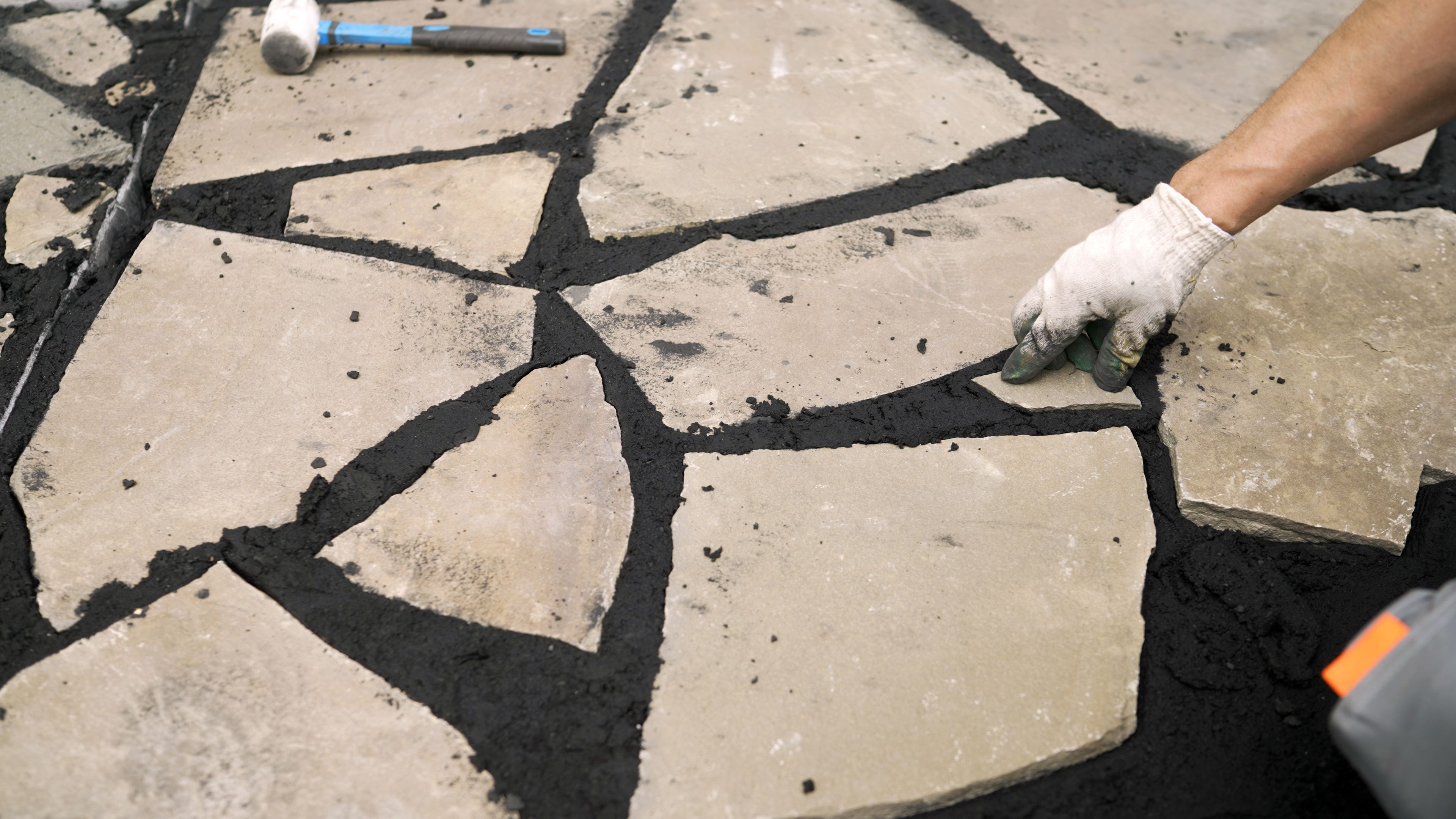
The type of paver you choose significantly impacts the total cost. Popular options include concrete, brick, and natural stone pavers. Each material comes with its own price range and aesthetic appeal:
- Concrete pavers: Typically the most affordable, concrete pavers are durable and come in various shapes and colors.
- Brick pavers: These offer a classic look and are moderately priced, making them a popular choice for traditional homes.
- Natural stone pavers: While they provide a luxurious finish, natural stone pavers are the most expensive due to their unique appearance and durability.
Calculating the Area for Installation
Another crucial factor is the size of the area you plan to cover with pavers. Measure the length and width of the space to calculate the total square footage. This measurement will help you determine the quantity of pavers needed and, consequently, the total material cost.
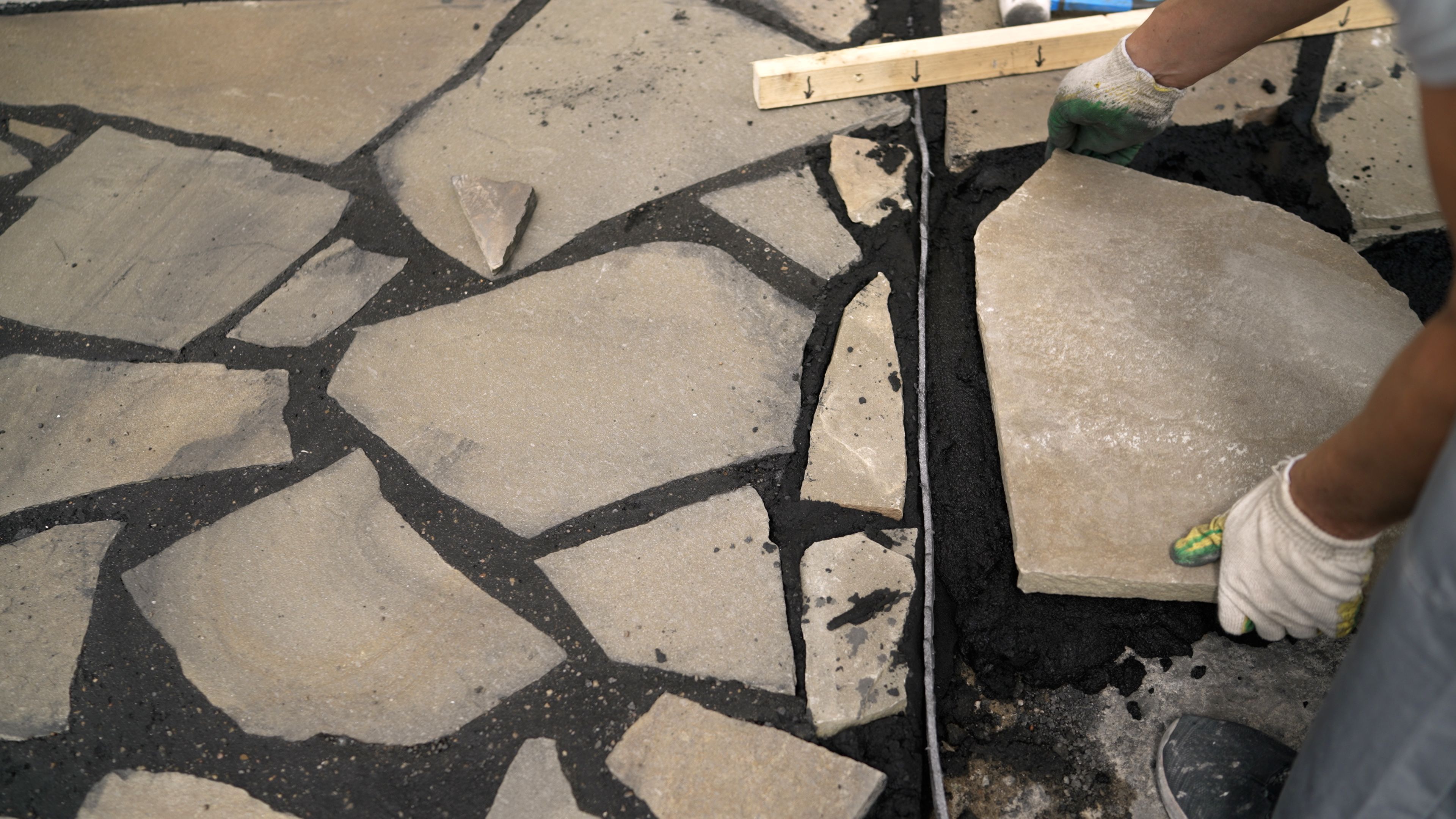
Larger areas will naturally require more materials, which can increase the cost. However, buying in bulk may offer price advantages, so consider discussing options with your supplier.
Design Complexity and Labor Costs
The complexity of your design also plays a role in determining installation costs. Simple patterns such as running bond or stacked bond may require less labor, while intricate designs like herringbone or circular patterns can increase labor costs due to the precision and time involved.
Labor costs can vary depending on the contractor's experience and the project's difficulty. It's wise to get several quotes from different contractors to ensure you're getting a fair price.
Additional Costs to Consider
Beyond materials and labor, there are additional expenses to consider, such as excavation and grading, which are necessary for preparing the site. Drainage solutions might also be needed to prevent water accumulation, adding to the overall cost.
Additionally, don't forget to budget for sealing the pavers after installation. Sealing helps protect the surface from stains and weather damage, ensuring longevity and maintaining the pavers' appearance.
Tips for Budgeting Your Paver Project
To ensure your paver installation stays within budget, consider the following tips:
- Research thoroughly: Understand the pros and cons of each type of paver and their costs.
- Get multiple quotes: Compare prices from different contractors and suppliers.
- Plan for contingencies: Set aside an extra 10-15% of your budget for unexpected expenses.
By following these guidelines, you can create a realistic budget for your paver installation project, ensuring a smooth and successful process that enhances your Long Island home’s curb appeal.