Essential Tips for Seasonal Land Clearing and Maintenance


Understanding the Importance of Seasonal Land Clearing
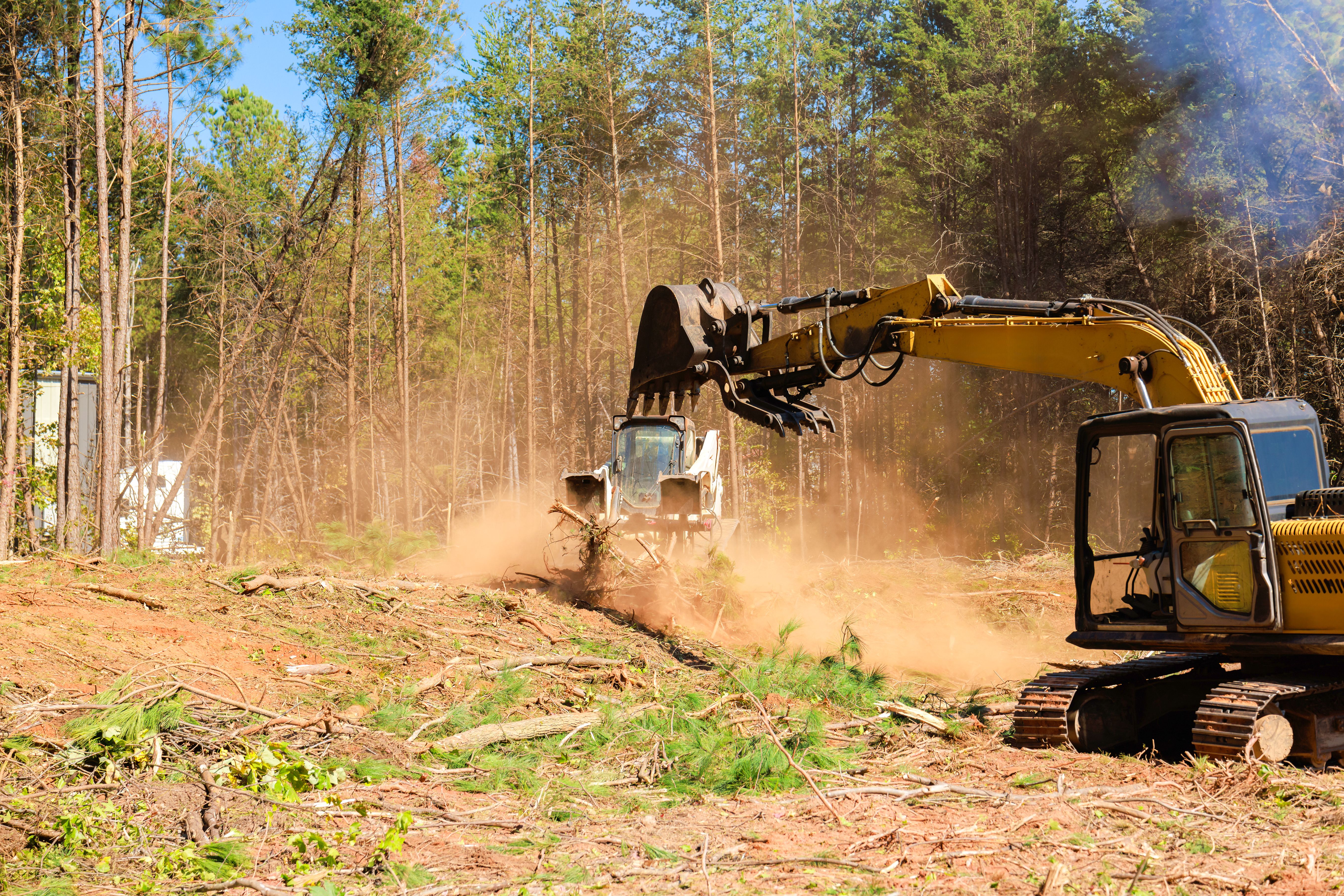
Maintaining a plot of land, whether for agricultural purposes or for personal enjoyment, necessitates a dedicated approach to clearing and maintenance. Seasonal land clearing is not just about aesthetics; it plays a crucial role in preserving the health of the land, promoting biodiversity, and preventing potential hazards such as wildfires.
Assessing Your Land's Needs
Before diving into any clearing activities, it’s essential to assess the specific needs of your land. Factors such as the type of vegetation, soil condition, and intended use of the land should guide your approach. Conducting a thorough inspection helps you prioritize tasks and address areas that require immediate attention.
Planning for Each Season
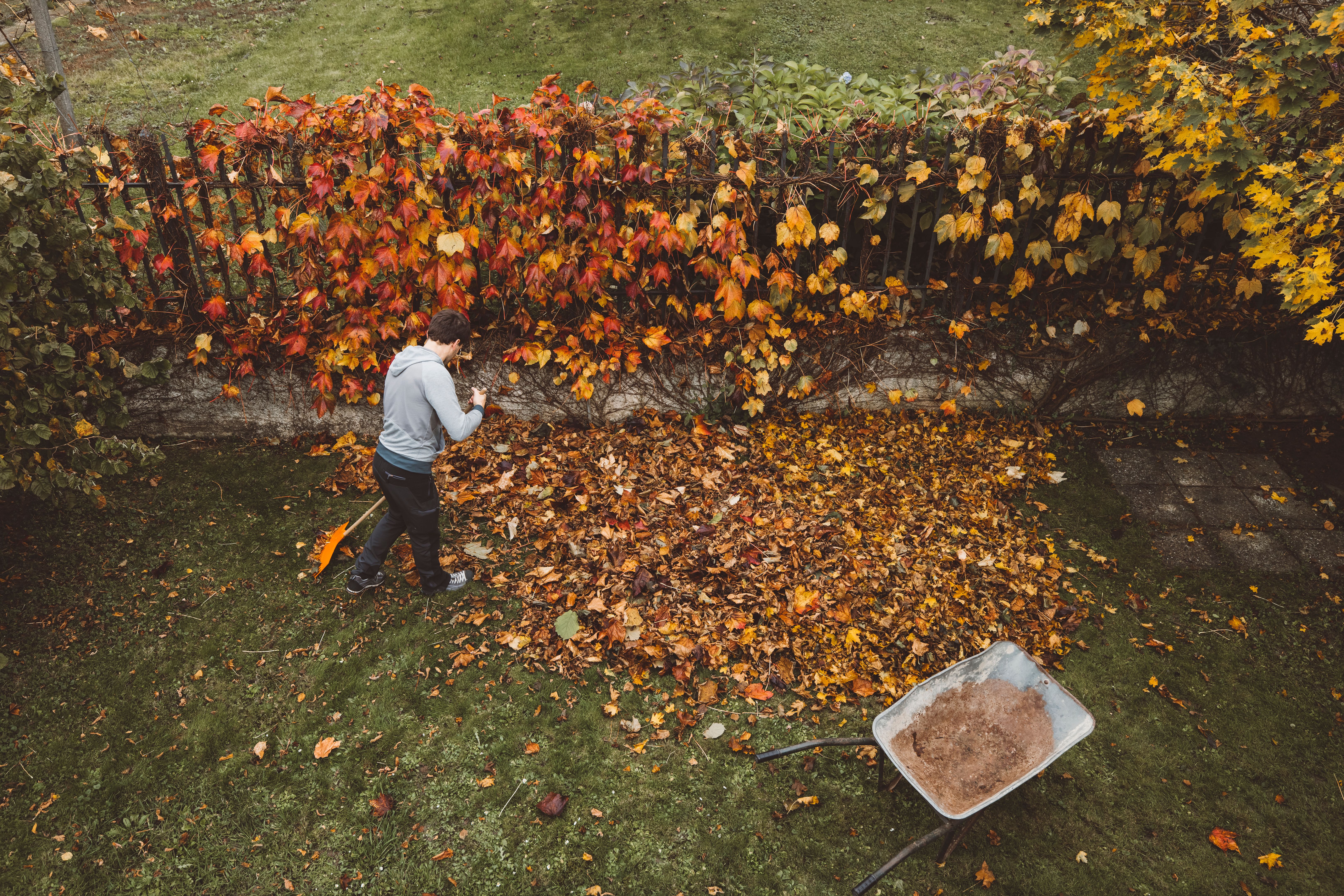
Each season brings its own set of challenges and opportunities for land maintenance. In the spring, focus on removing dead vegetation and debris that have accumulated over the winter. Summer is ideal for controlling invasive species that can quickly overtake your land. Fall is perfect for preparing your land for winter by trimming trees and reinforcing soil health. Lastly, winter offers a chance to review plans and prepare equipment for the upcoming year.
Essential Tools and Equipment
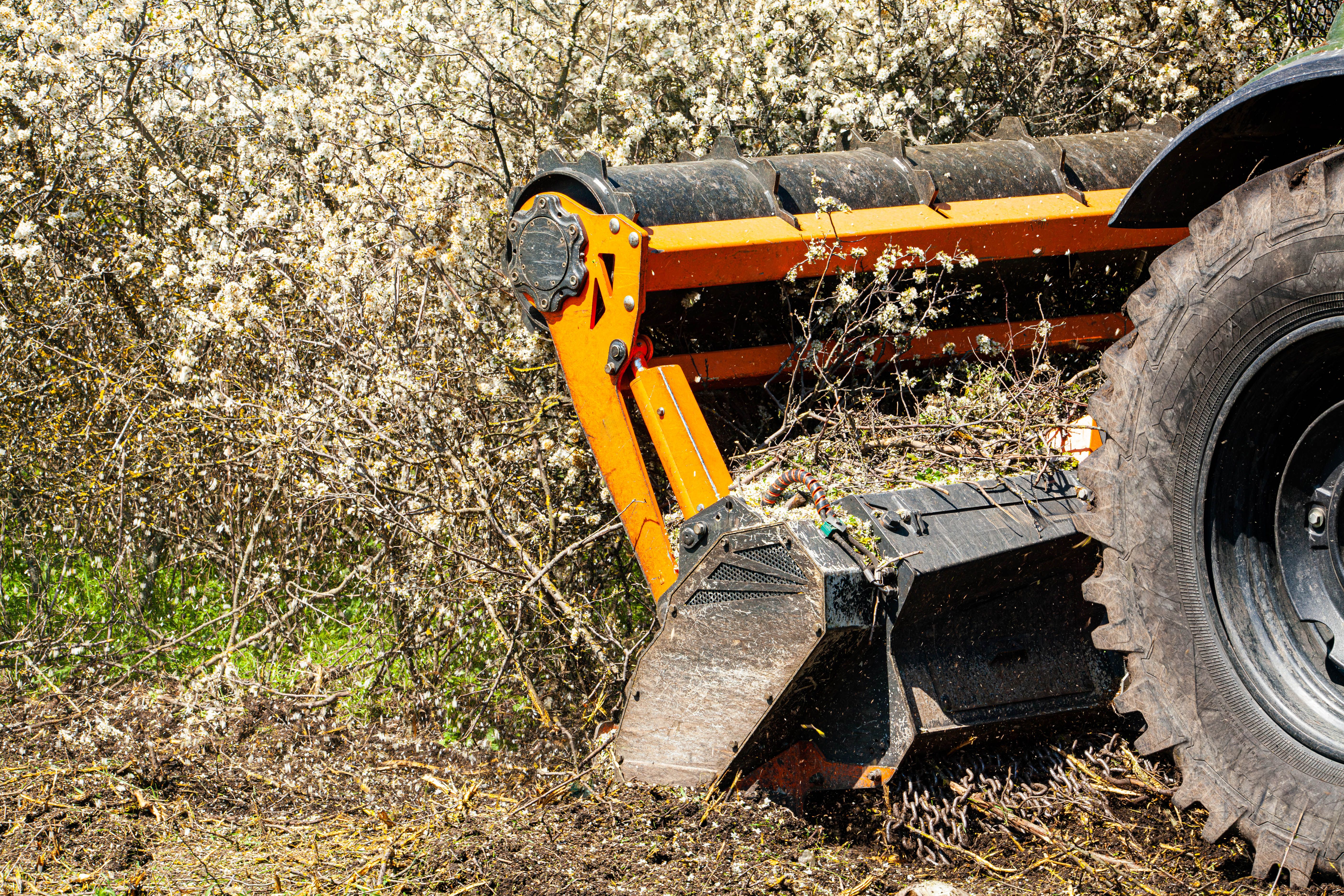
Having the right tools at your disposal can make land clearing more efficient and less labor-intensive. Key tools include chainsaws, pruning shears, and mulchers. For larger areas, heavy machinery like bulldozers or tractors with attachments might be necessary. Always ensure that your equipment is well-maintained to prevent breakdowns during critical clearing periods.
Safety First
Safety should be your top priority when performing land clearing activities. Wear appropriate protective gear such as gloves, goggles, and sturdy boots. Be aware of your surroundings to avoid accidents, especially when using heavy machinery. It's also advisable to have a first aid kit readily available in case of emergencies.
Enhancing Biodiversity
While clearing land is essential, it’s equally important to enhance and protect biodiversity. Consider leaving certain areas untouched to serve as wildlife habitats. Plant native species that can thrive in your local environment and support pollinators like bees and butterflies. This approach not only benefits the ecosystem but also enriches the visual appeal of your land.
Utilizing Eco-friendly Practices
Adopting sustainable practices during land maintenance can significantly reduce environmental impact. Opt for manual tools where possible to minimize pollution. Composting cleared debris instead of burning it can enrich your soil. Additionally, consider using organic fertilizers to promote healthy plant growth without harming the surrounding ecosystem.
Monitoring Progress and Adapting Strategies
Regular monitoring allows you to track the effectiveness of your land clearing efforts and adapt strategies as needed. Keep a log of tasks completed each season and note any changes in vegetation or soil condition. This data will provide valuable insights for future planning and help you maintain a thriving landscape year-round.
By following these essential tips for seasonal land clearing and maintenance, you can ensure that your land remains healthy, safe, and beautiful throughout the year. Remember that each piece of land is unique, so tailor your approach to meet its specific requirements while prioritizing sustainability and biodiversity.