Dumpster Rental Tips: Choosing the Right Size for Your Project


Understanding Dumpster Sizes
When planning a project that involves a significant amount of waste, choosing the right dumpster size is crucial to ensure efficiency and cost-effectiveness. Dumpsters come in various sizes, typically measured in cubic yards. Understanding these sizes can help you make an informed decision.
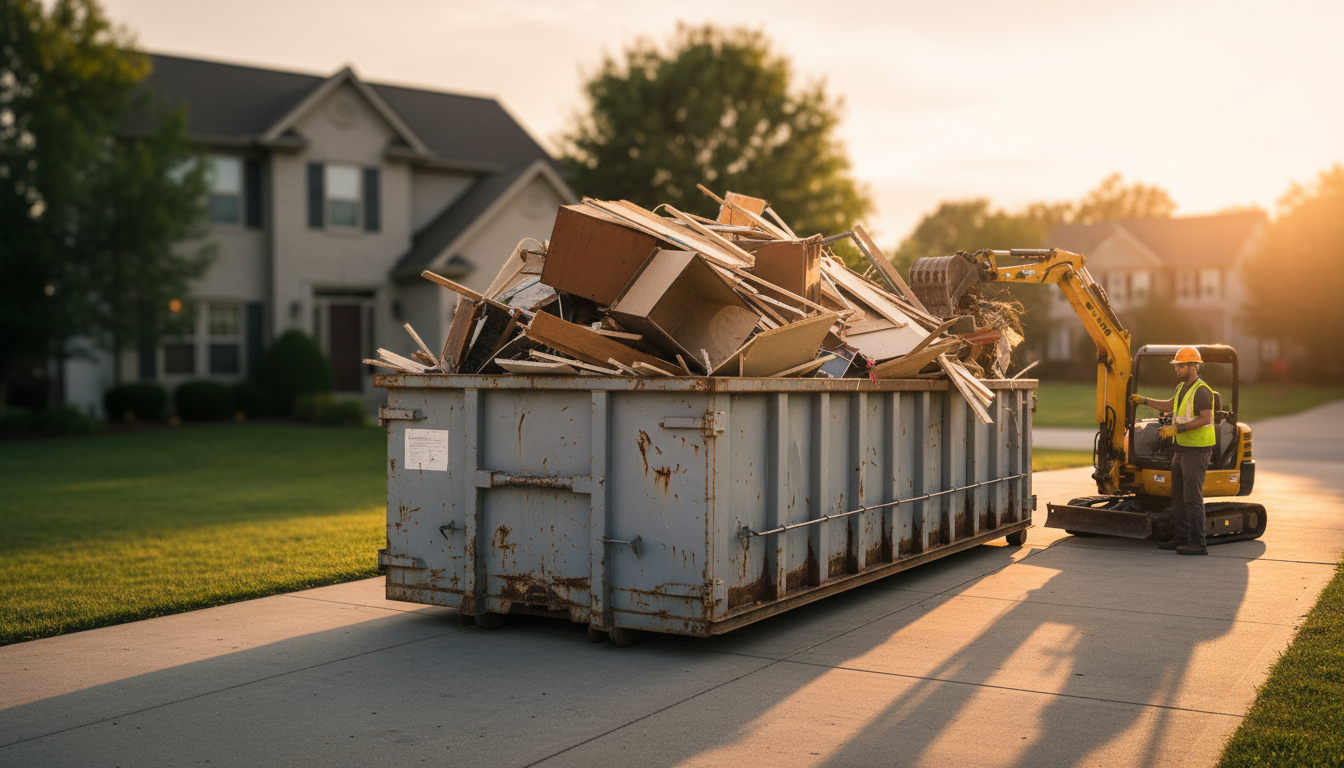
The most common dumpster sizes range from 10 to 40 cubic yards. A 10-yard dumpster is suitable for small cleanouts or minor renovation projects, while a 40-yard dumpster is ideal for large construction jobs or significant home renovations.
Assessing Your Project Needs
To select the right dumpster size, begin by assessing your project's needs. Consider the type and amount of waste you'll produce. For instance, a kitchen remodel might not generate as much debris as a complete home renovation. Taking stock of potential waste can prevent unnecessary costs and logistical issues.
It's also important to consider the space available at your project site. Ensure you have adequate space to accommodate the dumpster and allow for easy access for loading and removal. Measuring your available space can help you determine the maximum size you can accommodate.
Types of Waste and Their Impact
The type of waste you’re disposing of can also influence your choice. Different types of waste have varying volumes and weights, which impact how full a dumpster gets. Heavy materials like concrete and bricks require a smaller dumpster due to weight restrictions, even if the volume isn't maximized.
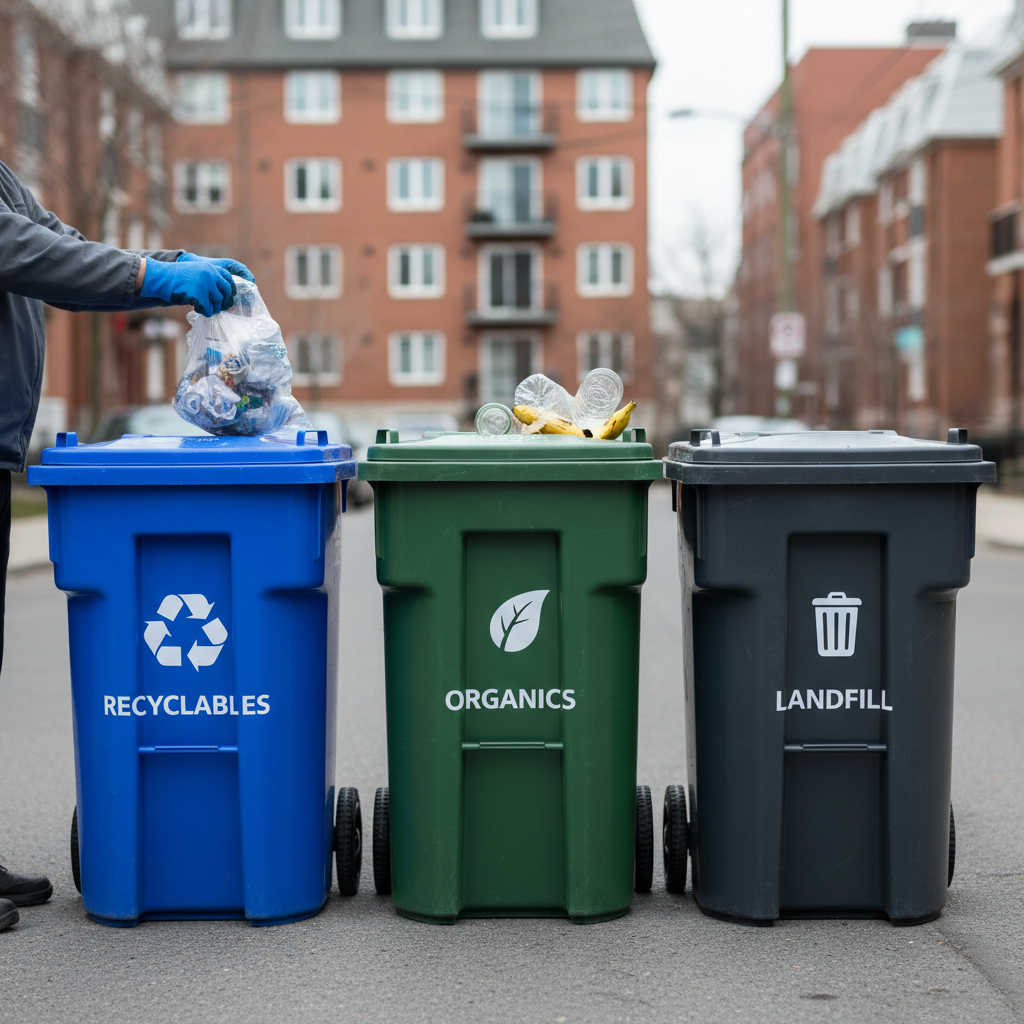
For lighter items like household debris or yard waste, a larger dumpster might be necessary to fit the volume, even if the weight isn’t a concern. Understanding these differences ensures compliance with local regulations and avoids overfilling issues.
Consulting with Professionals
When in doubt, consulting with a dumpster rental professional can be invaluable. They can offer insights based on your project specifics and suggest the most suitable size. Professionals will also provide information on any restrictions or permits required for your area.

Moreover, they can guide you on optimal placement, ensuring that the drop-off and pick-up process is seamless. This expert advice can save you time, money, and potential headaches down the line.
Planning for Unforeseen Circumstances
It's wise to plan for unforeseen circumstances by adding a little extra capacity to your chosen dumpster size. Projects often generate more waste than initially anticipated, and having a slightly larger dumpster can accommodate unexpected increases without requiring an additional rental.
Ultimately, selecting the right dumpster size is about balancing your waste management needs with cost considerations. By understanding your project's scope and potential waste output, you can make a choice that keeps your project on track and your budget intact.